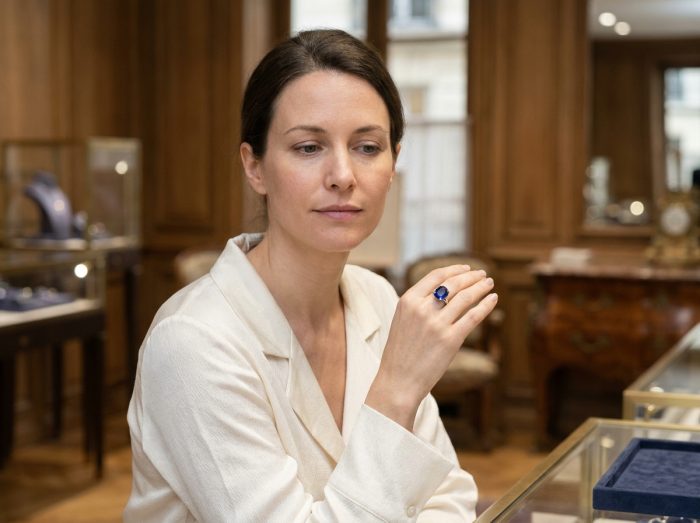
A luxury ring is primarily defined by the quality of its materials (gold, platinum, certified gemstones) and the artisanal craftsmanship that goes into its creation. What distinguishes these pieces from the rest of the market is less about the displayed price and more about a set of technical, aesthetic, and heritage criteria. Understanding these criteria helps explain why luxury rings continue to attract collectors and enthusiasts of beautiful pieces.
Hallmark, carats, and setting: what the technical reading of a ring reveals
Before any aesthetic consideration, a luxury ring is read. The hallmark engraved inside the band indicates the metal’s fineness: a gold eagle head hallmark in France, for example, guarantees a minimum content of pure gold. This legal marking, often unknown to the general public, serves as the first tangible quality indicator.
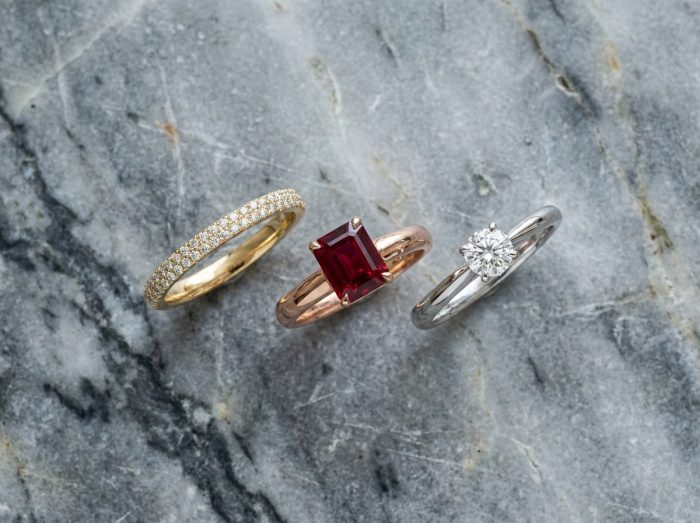
The central stone, when there is one, follows a standardized reading grid. For a diamond, the four criteria (color, clarity, cut, and carat weight) determine the market value as much as the brilliance perceived by the naked eye. A D color stone (the whitest) set on a platinum band does not produce the same play of light as a slightly tinted diamond mounted on yellow gold.
The type of setting adds a layer of complexity. A closed setting better protects the stone but reduces light entry. A prong setting, more exposed, maximizes brilliance.
Houses like Cartier or Van Cleef & Arpels have developed proprietary techniques, sometimes referred to as “mystical setting,” where the prongs become invisible. This craftsmanship partly explains the price gap between a signed ring and an unsigned piece using comparable materials.
Beyond the signature, wearing comfort also matters: for those unsure about the size, there are practical tips to adjust Hermès rings or other precious pieces without altering their structure.
Luxury rings and lab-grown diamonds: a new entry point
The luxury ring market is undergoing a transformation with the arrival of lab-grown diamonds. These stones, chemically and optically identical to natural diamonds, allow access to superior size or clarity for a comparable budget.
According to the Bain & Company report (Global Diamond Report 2024), several high-end retailers have launched specific collections featuring lab-grown diamonds to attract a younger clientele, particularly in the engagement ring segment. The argument is not limited to price: the “tech and responsible” image of these stones appeals to a generation sensitive to traceability.
This evolution does not detract from the value of natural diamonds, but it broadens the spectrum of enthusiasts for beautiful pieces. A person who would never have stepped into a traditional jewelry store can now acquire a ring set with a visually flawless one-carat diamond at a more accessible price.
House signature and resale value of signed rings
A ring signed by a prestigious jewelry house does not merely display a renowned name. The signature acts as a certificate of provenance that directly influences resale value. In the secondary market, a Cartier Trinity ring or a Bulgari Serpenti retains a significant portion of its initial purchase price, whereas an unsigned piece of equivalent quality suffers a more marked depreciation.
Several factors explain this resistance to depreciation:
- The immediate recognition of the design by potential buyers, which reduces the selling time in the secondary market.
- The documentation provided by the House (certificate, serial number, original invoice), which secures the transaction for the buyer.
- The relative rarity of certain limited or discontinued collections, which can even create added value over time.
Purchasing a signed ring thus follows a dual logic: immediate aesthetic pleasure and the establishment of a heritage asset. This dimension explains why luxury rings also attract buyer profiles typically oriented towards other forms of investment.
Authenticity and expertise: the guarantees that reassure vintage jewelry buyers
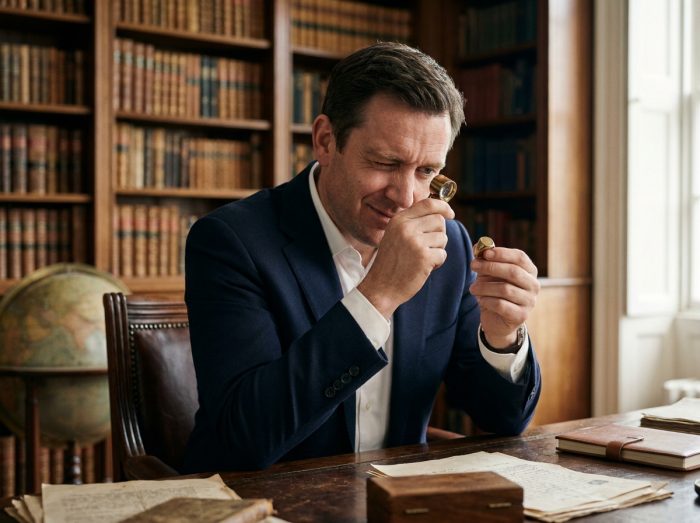
The vintage and second-hand jewelry market represents a rapidly growing segment for enthusiasts of beautiful pieces. Buying a signed antique ring allows access to designs that are no longer produced, often at a price lower than new. However, this process requires a rigorous verification of authenticity.
Expertise focuses on several points: compliance of the hallmark with the supposed manufacturing period, consistency of the setting with the House’s techniques, condition of the stone, and absence of undisclosed treatment. Without this verification, the risk of acquiring a modified or misattributed piece remains real, especially in private sale channels.
Specialized platforms are now structuring this market. Castafiore, an online marketplace dedicated to vintage and second-hand jewelry, lists over 10,000 pieces from individuals and professionals, with an average basket of €2,500. The catalog combines signed pieces from major Houses and unsigned creations. Each ring undergoes a process of expertise and authentication before being put up for sale, and a digital certificate of authenticity, recorded in the blockchain, is provided within 15 days after purchase.
Digital formats and jewelry culture: an appeal that strengthens online
The Deloitte study (Global Powers of Luxury Goods 2024) highlights that jewelry brands are recording a growing share of their organic interactions through visual content. Close-ups of settings or before/after polishing comparisons generate high engagement among enthusiasts.
These contents transform the luxury ring into an object of visual fascination even before any contact with a point of sale. The movement of a piece of jewelry showcases the brilliance of a stone or the delicacy of a band better than a static photo. For enthusiasts, this constant exposure fosters a form of jewelry culture where quality criteria are naturally disseminated.
The appeal of luxury rings rests on a technical foundation (materials, setting, hallmark) that neither digital trends nor the arrival of lab-grown diamonds have eroded. What changes is access: more formats to discover, more channels to buy, and strengthened authenticity guarantees thanks to technology. The ring remains, among all jewelry, the piece that best concentrates artisanal know-how and lasting heritage value.