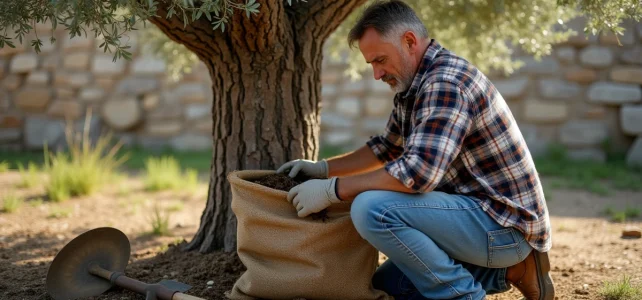
A moved olive tree faces an immediate risk to its roots: the slightest delay, the smallest mistake, and drought looms. For this tree, everything hinges on respecting its rhythm and needs: the season, root pruning, and attention to every gesture. Unlike its fruit-bearing cousins, the olive tree firmly dictates its requirements. Ignoring its whims is to jeopardize its survival for a long time.
Understanding the specific needs of the olive tree before any relocation
Under the Mediterranean sun, the olive tree makes its preferences clear. A bright exposure, away from cool winds and overly rich soils, suits it much better than persistent shade. Its root network, sometimes shallow but always wide, requires well-draining, aerated soil, never saturated with standing water. If it must be moved, the choice of terrain should not be taken lightly: opting for light soil, dotted with stones, is often the best guarantee for successful recovery.
Related reading : How to Do Minor Pet Sitting at 15: Practical Tips and Key Steps
Even when young, this tree allows little room for approximation. Moving a “wise old sage” that has been rooted for ages can sometimes be a delicate mission. Regardless of its size, the season makes all the difference: intervening at the end of winter or very early in spring gives it the best chance to withstand the shock, when the sap is still dormant and the roots are less stressed.
To prepare the ground and follow the method flawlessly, the guide on how to move and replant an olive tree details each crucial step of the transfer. This reading ensures that nothing is overlooked, from the hole to dig to the choice of the ideal substrate. Preparing in advance limits unforeseen issues and lays the groundwork for a successful transplantation.
Further reading : All the high-tech news and digital innovations not to miss in 2024
What precautions should be taken during transplantation to preserve the tree’s health?
During the move, every detail matters. Before lifting the olive tree from the ground, the roots must be carefully cleared. The priority is to preserve the fine roots, a vital instrument for absorbing water and mineral salts. The spade should be used precisely, preserving the root ball as much as possible and cleanly cutting the larger roots. Any brutal tearing would have serious consequences for the plant’s recovery capacity.
Just before replanting the tree, the hole must be prepared to limit any risk of root asphyxiation: a bed of gravel or clay balls, combined with slightly amended soil, creates a favorable environment. At this stage, it is advisable to incorporate a bit of mature compost but never to excess. An overly rich soil would be more harmful than helpful. The soil added should be gently packed around the collar, never excessively, just enough to stabilize the tree.
The watering that follows planting is a turning point. A measured amount, simply to moisten everything without creating a puddle, avoids both thirst and drowning. In windy regions, installing a stake keeps the olive tree stable during its first months of re-establishment. From this moment on, attention must not wane: observing the foliage, monitoring signs of stress or decline allows for adjustments in watering and oversight before the situation deteriorates.
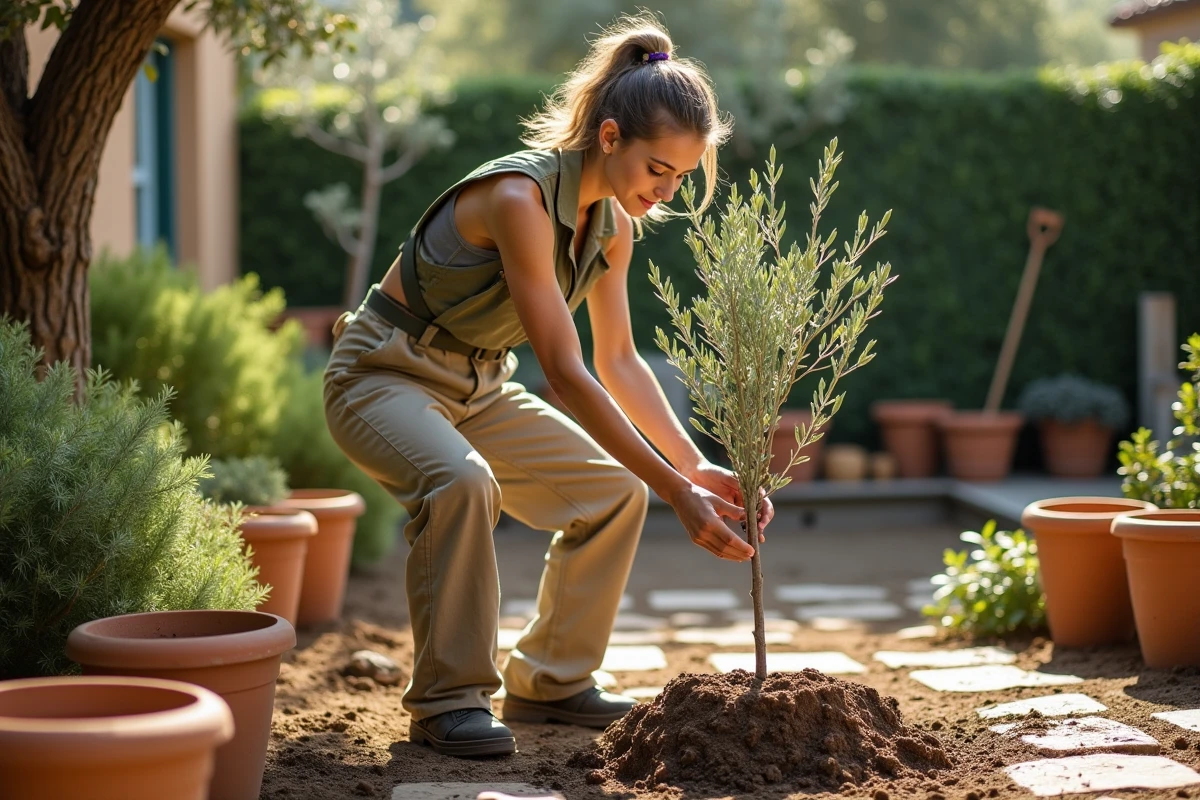
Post-replanting care: essential actions to promote recovery and growth
Once the tree is in the ground, patience takes over. Watering should be regular but always moderate: too much generosity would be fatal. The challenge is to maintain reliable moisture, but without excess, during the first months following transplantation.
Mulching provides discreet yet effective support. Here are the concrete benefits to consider:
- Mulching slows down the development of competing plants
- It preserves soil temperature, even in the face of climatic variations
- It retains freshness, which spaces out watering needs
But be careful not to accumulate organic matter at the base of the trunk: leaving a margin prevents the onset of rot.
The soil of a recently replanted olive tree does not require immediate fertilizers. It is necessary to wait, allowing the new roots to settle before considering any additional nourishment. Simply aerating the top layer in spring or autumn helps invigorate the soil without disturbing the roots.
In cold periods, a protective wrap around the trunk helps the tree endure the coldest nights. As soon as mild temperatures return, vigilance remains essential: keeping an eye out for the appearance of pests or diseases like peacock eye allows for action before the problem settles in. A light pruning focused on aerating the center facilitates air circulation and reduces disease pressure while promoting dense, healthy foliage.
Transplanting an olive tree means working with slowness, observing, and intervening without haste. A commitment that reveals itself months later when the trunk, sometimes centuries old, shows new shoots, proving that the gamble was worthwhile. The reinvigorated olive tree reminds us that no experience is truly too old to be reborn elsewhere.