
A figure up by 30%: that’s the growth of non-rechargeable hybrids in the French market this year. Behind this statistic lies a reality: the compromise between innovation and pragmatism continues to attract, far from the hype surrounding fully electric vehicles.
Non-rechargeable hybrid models remain a safe bet in the automotive landscape. Under the hood, brands compete with solutions to ensure an effective alliance between the internal combustion engine and the electric block. Performance, efficiency, longevity: some manufacturers are paving their way, driven by technical expertise that sharpens each year. In 2024, the game of differences is played on tangible points: combined power, real-world consumption, driving pleasure, and long-term reliability. The latest advancements are reshuffling the cards, forcing buyers and specialists to rethink their rankings.
Why non-rechargeable hybrid cars are increasingly appealing in 2024
In the French market, the non-rechargeable hybrid car is gaining ground every month. The reason? A winning combination: an internal combustion engine on one side, an electric block on the other, working together to reduce both fuel consumption and emissions. In the city, energy recovery during braking allows for cleaner driving, without ever relying on a plug.
In a context where fuel prices are fluctuating, this type of vehicle stands out with controlled consumption. No need to plan for recharging, no waiting in line at a charging station: simplicity is a plus, especially for urban dwellers and suburban commuters. The offering has expanded, covering all needs:
- from city cars to hybrid SUVs, every use finds its suitable model.
The best non-rechargeable hybrids stand out for their everyday frugality and an almost invisible transition between gasoline and electricity. This flexible operation, combined with recognized robustness, explains their rise in popularity. The hybrid no longer plays the role of a stopgap solution: it asserts itself, solid, in the face of uncertainties in the sector.
Choosing a non-rechargeable hybrid car means keeping it simple: no cable handling, no dependence on sometimes capricious charging stations. Thanks to energy recovery during braking, even short trips remain efficient. The hybrid car models listed in this ranking testify to the expertise now established in the French market.
What criteria to prioritize when choosing the best non-rechargeable hybrid according to your needs
The choice is plentiful when it comes to non-rechargeable hybrid cars: therefore, it is essential to rely on solid criteria. Start by looking at the combined consumption: some models boast less than 4.5 l/100 km, a real advantage for those who rack up kilometers, both in the city and beyond. Also, decode the technical specifications: combined power, ability to drive in electric mode for a few kilometers, responsiveness during acceleration.
The maintenance cost also plays a role, as does the battery warranty. Full hybrid architectures appeal with their smooth transition from one engine to another, their reputation for reliability, and their longevity. On the resale side, some brands continue to hold their value, especially among hybrid SUVs.
To refine the selection, several points should be compared:
- the purchase price of the vehicle, which can vary significantly;
- the electric range, particularly interesting if your daily trips are short;
- the driving modes: some systems automatically adjust hybrid management based on terrain or road type;
- the technology of energy recovery during braking, which directly influences the model’s efficiency.
The onboard experience also matters: ergonomics of controls, connectivity, choice of materials. The evaluation of the value for money goes beyond mere mechanics. The best non-rechargeable hybrid car will be the one that, over time, combines savings, driving pleasure, and robustness.
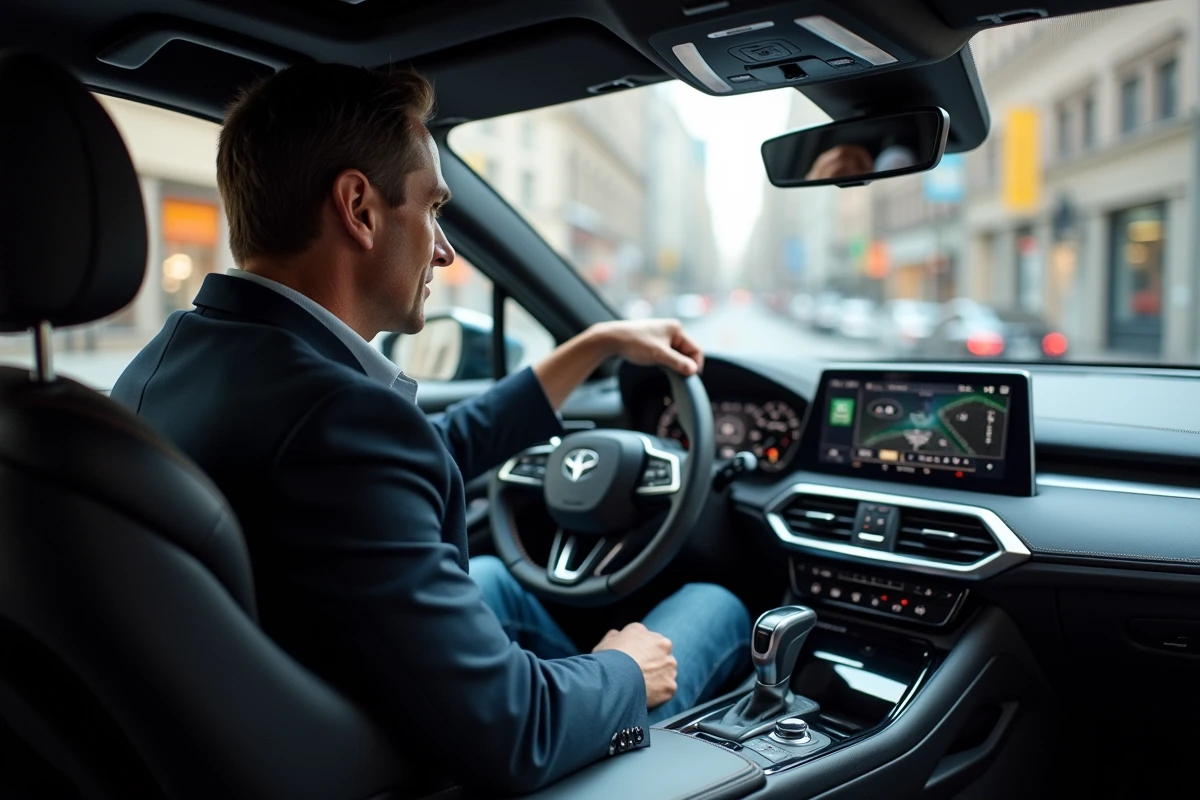
Top 10 most efficient non-rechargeable hybrids to discover this year
In France, the offering of non-rechargeable hybrids continues to grow. The Toyota Yaris Hybrid stands out for its compactness and a consumption of less than 4 l/100 km: ideal for the city, easy to park, and never short on energy. The Renault Captur Tech distinguishes itself with its versatility: two engines that work together for smooth and responsive driving. Among SUVs, the Nissan Qashqai Power combines efficiency, dynamism, and comfort, without compromise.
In the compact segment, the Toyota Corolla Hybrid continues to score points: it often switches to electric mode in the city while remaining efficient on the highway. The Kia Niro and Hyundai Kona Hybrid offer a convincing value for money, backed by a well-established full hybrid technology. For families, the Hyundai Tucson Hybrid catches the eye: increased power, optimized range, and generous onboard space.
On the new arrivals side, the Yaris Cross Hybrid stands out: reassuring ground clearance, controlled combined consumption, all in an urban format. Generalists are betting on consistent reliability, varied driving modes, and increasingly effective energy recovery during braking. The technical specifications show combined powers exceeding 140 horsepower, maintaining low emissions despite the increase in power.
This top 10 illustrates the diversity of the offering: city car, compact, SUV, family… each non-rechargeable hybrid car asserts itself with its strengths. Manufacturers are sharpening their strategies to attract a demanding audience, keen on balancing performance, efficiency, and responsibility. In the face of the energy transition, these hybrids are carving their path, pragmatic, ready to respond to the ever-changing reality of daily driving.