What makes a wardrobe both elegant and genuinely comfortable after 70? From choosing fabrics and getting dressed with ease to managing body temperature, there are more factors to consider than you might think. This article compares the fabrics and design details that make a difference in everyday life.
Fabrics after 70: comparing comfort, care and shape retention
Fabric affects everything else: the silhouette, how it feels against the skin and how easy it is to wash. European regulations require textile fibre composition to be listed, including for online purchases. Checking the composition label is therefore the most reliable step before buying, rather than relying on how a fabric feels in store or on its commercial name.
| Fabric | Breathability | Care | Ease of dressing | Shape retention |
|---|---|---|---|---|
| Cotton | Good | Machine washable, easy care | Average (not very stretchy on its own) | Fair, wrinkles |
| Linen | Excellent | Machine washable, frequent ironing | Average | Fluid, wrinkles easily |
| Viscose | Good | Delicate, may shrink | Good (soft and supple) | Fluid, can lose its shape |
| Jersey knit (cotton/elastane) | Fair | Machine washable, no ironing needed | Excellent (stretchy) | Follows the body |
| Cashmere / merino wool | Good (temperature-regulating) | Delicate, hand wash or wool cycle | Good | Very good |
Jersey knit with elastane ticks the most boxes for everyday wear: it slips on easily, needs no ironing and adapts to changes in body shape. Linen and cotton are still the best choices in hot weather, as long as you don’t mind ironing.
To explore the subject further, learning how to dress at 70 with a modern look also means choosing cuts that suit your body shape and the season.
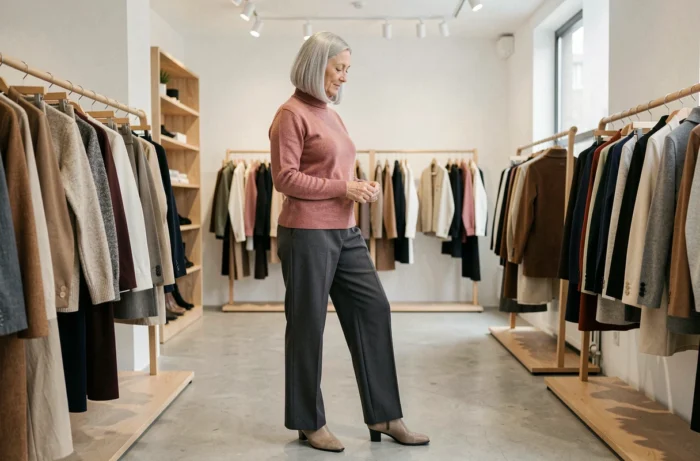
Ease of dressing: a style consideration in its own right
General style guides discuss cuts and colours, but rarely the movements involved in getting dressed. Resources focused on independence point out that elasticated waistbands, stretchy fabrics and easy-to-use fastenings are not aesthetic compromises. They are design details that help preserve independence in everyday life.
Suitable clothing is about more than a loose fit. Specialist ranges now include garments with easy-access openings (concealed magnets, Velcro under a placket, flat snap fasteners) that still look polished. These options remain little known because they are not stocked in mainstream clothing departments.
Design details that make everyday life easier
- Trousers with a wide elasticated waistband (not just a drawstring) hold their shape without squeezing the abdomen and can be put on standing or sitting.
- Three-quarter sleeves avoid the need to fully extend the arm, which can be uncomfortable with joint stiffness, while looking smarter than a T-shirt.
- Wrap dresses or wide-neck styles can be pulled over the head without straining the shoulders, while the belt adjusts the waist without a rigid fastening.
- Slip-on shoes (without laces and with a soft heel counter) eliminate the need to bend down while still providing good foot support.
You can find all these details in garments from mainstream brands. The key is to look for them on the label or product page, rather than searching only in “senior” clothing departments.
Summer wardrobes and heat tolerance after 70
Heatwave safety advice recommends lightweight, loose-fitting and breathable clothing. This health guidance also informs what to wear: an effective summer outfit helps the body release heat, not just look good.
Light colours (off-white, beige, pastels) reflect sunlight and absorb less heat. Cotton and linen, thanks to their natural fibres, allow air to circulate better than synthetic fabrics. Loose cuts (tunics, palazzo trousers, flowing dresses) create space between the fabric and the skin, improving ventilation.
Balancing elegance and staying cool
Light-coloured linen palazzo trousers create a structured silhouette without clinging to the legs. Paired with a lightweight cotton blouse, they make a smart outfit that works just as well for lunch on a terrace as for a day out in town in hot weather.
A wide-brimmed hat protects the face and neck while adding a stylish touch that few garments can provide on their own. Quality sunglasses complete the protection without requiring any extra clothing.
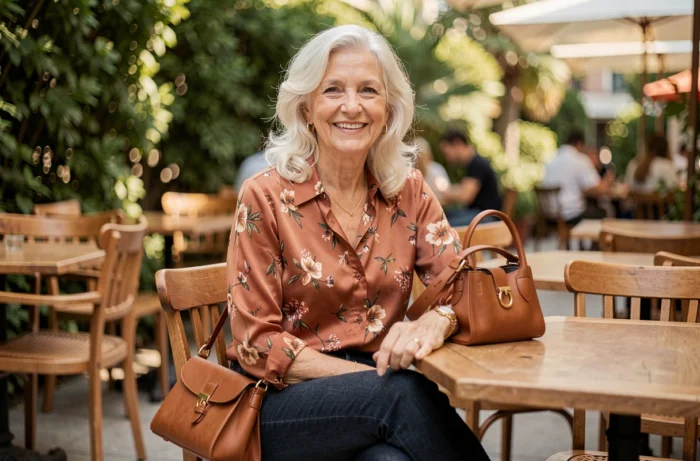
Colours and silhouette: how cuts make a difference
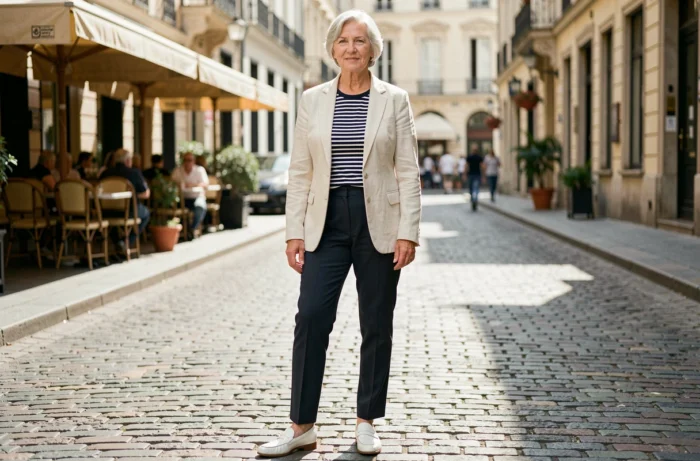
Straight or slightly flared cuts create a longer-looking silhouette than fitted styles, which define the waist but can create an unflattering contrast when the fabric is stiff. One structured piece per outfit (a blazer or pleated trousers) is enough to give the whole look some shape.
When it comes to colour, wearing different shades of the same hue creates a cohesive silhouette without visually breaking it up. Add just one contrasting accessory (a scarf, bag or bracelet) to avoid monotony without disrupting the overall line.
Choose a few well-chosen accessories
A silk scarf draped over the shoulder, a watch with a slim strap, a pair of understated earrings. Limiting yourself to three accessories per outfit avoids a cluttered look and lets you create different outfits from the same basics. Investing in a few quality pieces (a soft leather bag, a printed scarf) will last longer than accumulating costume jewellery and accessories.
The most practical wardrobe after 70 is built around a small number of carefully chosen pieces: fabrics clearly identified on the label, fastenings that accommodate limited mobility and cuts that let air circulate. Colours, accessories and personal style can then build on this foundation without making it more complicated.