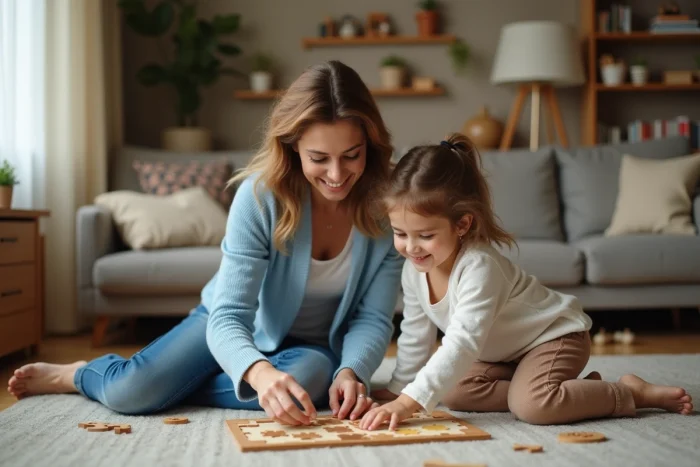
Chronic fatigue affects 60% of parents with children under 7 years old, according to a study conducted by Inserm in 2022. Yet, the majority claim they do not consult specialized resources before major difficulties arise. Recent medical recommendations now emphasize the importance of concrete tools and regular support, especially during key phases of child development.
Recent research confirms this: opting for positive educational practices has a direct impact. The risk of behavioral disorders significantly decreases in children, and the quality of family bonds improves. However, no method applies uniformly everywhere. Age, life context, and each family’s history matter. It is about adjusting, choosing what fits the reality of one’s home, without seeking perfection or a universal recipe.
Positive Parenting: Understanding the Principles to Better Support Your Child
Positive parenting stands out as a solid reference for transforming the relationship between adults and children. Forget the rigidity of old models: here, mutual respect, active listening, and empathy take center stage. The foundations are simple yet demanding: kind communication, concrete cooperation, and genuine consideration of emotions. Authority no longer rhymes with domination but with the ability to set clear boundaries, stable ones, and to involve the child in creating rules according to their abilities.
Being a parent sometimes means juggling between freedom and structure, without falling into laxity or authoritarianism. Finding this balance offers the child an environment where they feel understood and secure. Studies highlight real benefits: self-esteem increases, autonomy develops, and trust in adults deepens. Even in stormy moments, this family climate eases tensions and supports everyone. Managing a crisis or an outburst of anger cannot be improvised: it requires patience, flexibility, and sometimes even external help to avoid feeling overwhelmed by pressure.
On the Future Maman website, there are concrete resources and advice inspired by these principles. The detailed strategies focus on encouragement, recognizing progress, and acknowledging emotions. Betting on positive reinforcement rather than punishment changes the game: mistakes become a springboard for learning, trust grows, and the relationship deepens. This is where a strong parent-child bond is born, one that withstands the shocks of daily life.
What Tools and Resources to Support Parents Daily?
Navigating parenting can sometimes feel like moving in the dark. However, concrete tools and reliable resources exist and can truly make a difference in facing everyday challenges. Books written by Catherine Gueguen or Isabelle Filliozat, methods inspired by Montessori or non-violent communication: everyone can draw from these to adjust their approach, without ever losing sight of their family’s uniqueness.
The practical guide is an ally: it helps refine communication with your child, boosts your confidence as a parent, helps you get out of ruts during conflicts, or sets clear markers in the digital world. It also provides insights on mediation, emotional management, and attention to sibling relationships. Specialists like Pascal Van Hoorne or Caroline Ferriol share their experiences for a parenting style that is both realistic and calming.
Relying on a strong network changes the game. Extended family, friends, local associations, or support groups: this modern village allows for sharing doubts, finding respite, and no longer bearing the mental load alone. Led by professionals or trained volunteers, these collective spaces offer listening and mutual support, and sometimes even unexpected solutions.
To complete this overview, there are several types of workshops that allow for concrete action:
- Montessori sessions to cultivate autonomy and self-confidence.
- Emotion management groups where parents and children learn to name and channel what they feel.
- Shared speaking moments that create a space for expression, away from the tumult.
Participating in these workshops also breaks isolation, weaves connections, and approaches parenting with more lightness and perspective.
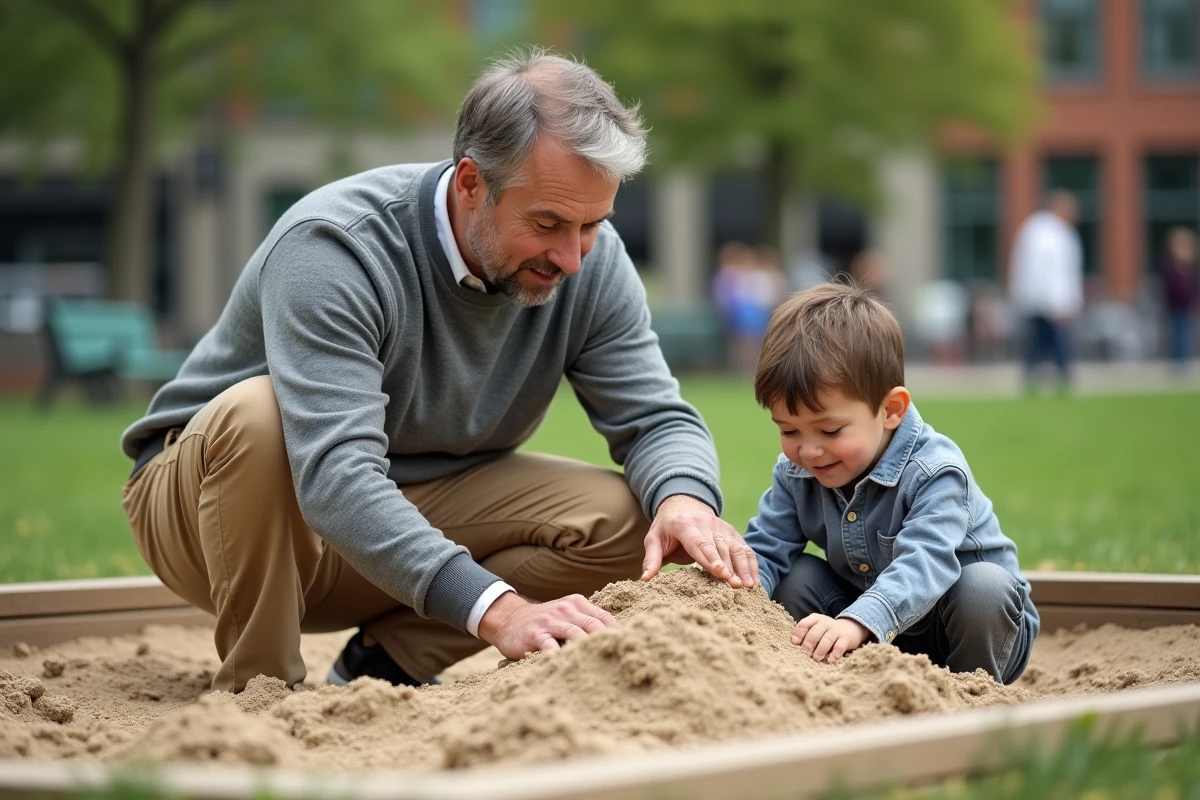
Concrete Advice to Enhance Family Well-Being with Children Aged 3 to 11
To maintain family balance, certain points deserve special attention. Sleep is the backbone of daily life: establishing regular schedules, keeping screens away in the evening, creating calming rituals before bedtime. For children aged 3 to 11, quality rest remains the best ally for development and emotional stability.
Emotional support should become a reflex. Welcoming without judgment, putting words to emotions, allowing frustration while remaining attentive. This posture strengthens the child’s trust and softens the relationship. A simple exercise: each evening, as a family, everyone shares a positive moment from the day. This ritual, far from being trivial, creates a space for exchange that nurtures self-esteem and closeness.
Nutrition also plays a daily role. Varying meals, involving children in preparation, prioritizing fresh products: these are small habits that plant the seeds of well-being. And when it comes to movement, performance is not the goal: outings to the park, group games, walks—everything counts; the important thing is to move together.
Here are some simple gestures to maintain balance for everyone:
- Take time for oneself, even if short, whether to read, draw, or simply daydream.
- Set aside moments for collective rest, away from external tumult.
- Lean on your friend or community network to lighten the parental load, breathe, and maintain social connections.
By cultivating these gestures daily, the family becomes a space where each child can grow peacefully, where adults can also find their breath. This is where the real adventure begins, one that resembles no other and where each day brings, sometimes, a small unexpected victory.